The rain, in plain terms
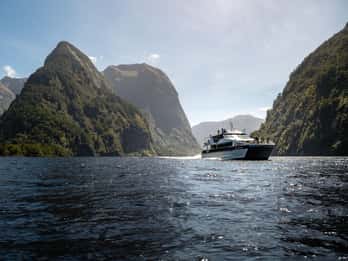
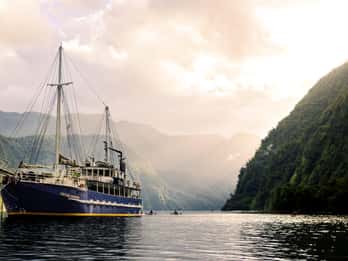
Two versions of Doubtful Sound exist, and you do not get to choose. On a clear day the fiord is vast, still and blue, and the mountains stand back to be photographed. On a wet day the cloud drops into the walls, the light turns silver-grey, and every gully becomes a waterfall — one guest from such a day describes the scene as surreal, the fiord half-hidden in cloud and mist. The genuinely disappointing days sit in between: flat grey cloud, little rain, muted views. Reviews from those days are where the low ratings come from.
What this means for planning is simple. If you need the clear-day version, give yourself flexibility: the day cruises cancel free up to 24 hours before departure, so you can hold a booking, watch the forecast, and shift by a day if your itinerary allows. The overnight closes that door 14 days out — book it for the fiord in all weathers or not at all.
!
No weather cancellation — plan around it, not against it
The cruise sails in rain, and a grey day is not grounds for a refund — one review from a poor-visibility day reports that some on board felt the trip should have been called off, and it was not. The 24-hour free cancellation on the day cruises is the one lever you control: use it. And if the forecast shows heavy rain rather than flat cloud, consider going anyway — the waterfall spectacle is real.
When to go
We will not print a monthly rainfall table here, because we could not verify one to our standard — and Fiordland would laugh at it anyway. What the seasons reliably change:
- Southern summer (roughly December to February) — the longest daylight, the busiest period, and the window in which the overnight cruise books out months ahead. Book everything earlier than feels necessary. Warm days are possible; rain gear stays in the bag regardless.
- Shoulder seasons — quieter departures and softer light. The trip runs the same; your flexibility with the 24-hour cancellation window is worth most here, when itineraries tend to be looser.
- Winter (June to August) — the day cruises keep running, and reviews from winter are warmer than you might expect: a comfortable boat, freedom to move inside and out, and snow on the Wilmot Pass described as an atmosphere upgrade. Days are short, so the early legs run in low light.
One planning note for the overnight specifically: we could not verify whether the one-night cruise runs year-round or pauses in part of the year, so check the live availability calendar on the product page for your dates rather than assuming.
The sandflies
They are real, they are numerous, and they concentrate exactly where you will be standing: Deep Cove, the jetties, and the shorelines. One review mentions them on the way back, when the waiting at transfer points gives them their chance. The fix is unheroic — insect repellent in your daypack and long sleeves for the shore stops. On the water and on the move they are a non-issue.
What to pack
- Waterproof jacket, whatever the season — the deck in rain is where the fiord is at its most dramatic, and you will want to be out on it.
- Warm layers — wind over the water is colder than the shore forecast suggests, in summer too.
- Insect repellent — see above; the sandflies are a fact, not a rumour.
- Your own lunch and snacks — allowed on board, and sensible: the on-board café takes card payment only. Reviewers on the long Queenstown day recommend more snacks than you think.
- Camera protection — a dry bag or even a zip-lock earns its place on a wet-day cruise.
★
In short
There is no wrong season — there are two versions of the fiord, and rain gear in the bag makes both of them good. Book day cruises with the forecast in view and cancel free up to 24 hours out if you must; book the overnight early and take the weather as it comes; and keep the repellent within reach for the shore stops.